
"Nicaraguan espresso"
400 article(s) found

Mellow and sweet three have the characteristics of Latin American coffee varieties, taste, manor boutique coffee and bean flavor.
Latin America (Latin America) in 1721 French naval officer de Klee (Gabriel Mathieu de Clieu) experienced difficulties and obstacles to bring the first coffee sapling from Africa to the Latin American island of Martinique, which was the origin of coffee cultivation in Latin America. Because at that time, France was under the reign of the Bourbon dynasty, and Elaraby was grown in Latin America.

Variety characteristics of mellow and sweet Latin American coffee introduction to the flavor of fine coffee beans in the manor
Latin America (Latin America) in 1721 French naval officer de Klee (Gabriel Mathieu de Clieu) experienced difficulties and obstacles to bring the first coffee sapling from Africa to the Latin American island of Martinique, which was the origin of coffee cultivation in Latin America. Because at that time, France was under the reign of the Bourbon dynasty, and Elaraby was grown in Latin America.

Taste characteristics of mellow and sweet Latin American coffee varieties introduction to the flavor of fine coffee beans in the manor
Latin America (Latin America) in 1721 French naval officer de Klee (Gabriel Mathieu de Clieu) experienced difficulties and obstacles to bring the first coffee sapling from Africa to the Latin American island of Martinique, which was the origin of coffee cultivation in Latin America. Because at that time, France was under the reign of the Bourbon dynasty, and Elaraby was grown in Latin America.

Taste characteristics of Latin American coffee varieties with mellow and sweet taste introduction to the flavor of fine coffee beans in the manor
Latin America (Latin America) in 1721 French naval officer de Klee (Gabriel Mathieu de Clieu) experienced difficulties and obstacles to bring the first coffee sapling from Africa to the Latin American island of Martinique, which was the origin of coffee cultivation in Latin America. Because at that time, France was under the reign of the Bourbon dynasty, and Elaraby was grown in Latin America.

Latin American coffee history, Latin American coffee aroma, brightness and taste
Following Cafe (official Wechat account vdailycom) found that Beautiful Caf é opened a small shop of its own. In the 17th century, the cultivation and production of coffee was monopolized by Arabs. It was valuable in Europe, and only senior European people could drink coffee. Until 1690, a Dutch captain sailed to Yemen, got some coffee seedlings, and began in Dutch India (present-day Indonesia).

The best flavor and taste of coffee beans in Honduras describe the ranking of native coffee beans in Honduras
Like its Central American neighbors, Honduras is a major coffee-growing area. In fact, it may come as a surprise that Honduras has so far produced and exported more coffee than any other Central American country. In 2020, according to the International Coffee Organization, Honduras produced 6100000 bags of 60 kg coffee. This is the same as 3750000 of Guatemalan coffee
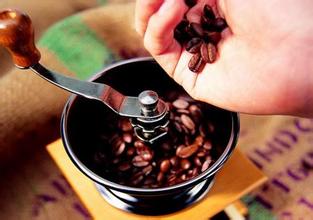
Boutique Coffee beans: history and details of Coffee beans in Latin America
The cultivation and production of coffee in the 17th century has always been monopolized by Arabs and is of great value in Europe. Only the upper echelons of Europe can drink coffee. Until 1690, a Dutch captain sailed to Yemen, got some coffee seedlings and began to plant successfully in Dutch India (present-day Indonesia). In 1727, the wife of a diplomat in Dutch Guiana gave some coffee seeds to her.

Some information about the blending of coffee beans
What is mixed coffee? The basics of coffee blending, people need to put together coffee from different places for several different purposes. The ideal goal, of course, is to piece together a coffee that tastes better than any of them.
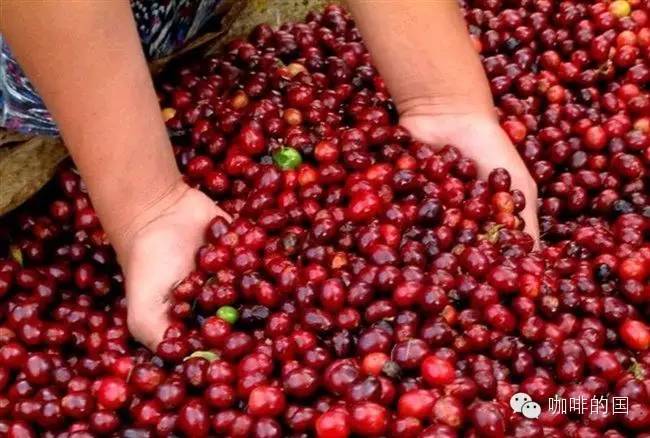
The trade pattern of raw coffee beans is changing, with both challenges and opportunities.
Coffee is our beloved, and global coffee consumption has nearly doubled in the past 40 years, with an average of 2.25 billion cups of coffee consumed every day, of which about 400 million cups are consumed in the United States alone. But do you know where coffee comes from, how it is made, and how it becomes a delicacy in our cups? In order to change the mass consumer
Vega, a new generation of pioneers in the field of boutique coffee, changes ordinary consumers and coffee cultivation.
Coffee is our beloved, and global coffee consumption has nearly doubled in the past 40 years, with an average of 2.25 billion cups of coffee consumed every day, of which about 400 million cups are consumed in the United States alone. But do you know where coffee comes from, how it is made, and how it becomes a delicacy in our cups? In order to change the mass consumer

A brief introduction to the treatment method of grinding degree and baking degree of sweet and mellow Latin American boutique coffee beans
Columbia (Colombian) aroma 3.5 minutes brightness 4.5 minutes mellow 3.5 minutes flavor 4.5 minutes aftertaste 4.5 points suitable for roasting: Medial/City/Full city/Espresso/Dark/French Columbia beans are one of the few coffee beans that range from shallow roasting to very deep roasting, ranging from light roasting to deep roasting sweetness, in such a wide range.

A brief introduction to the History and Culture of the Origin and Development of Fine Coffee in Latin America
Brazil (Brazil) aroma 3 minutes brightness 3.5 minutes mellow flavor 4 minutes aftertaste 4 points suitable for baking: City/Full city/Espresso used as Espressode beans should not be baked too deep, because the producing area is low altitude, the bean density is low, the pot under deep baking produces coke bitterness, it is best to start the pot before the second explosion. As for high-grade Brazilian beans, they can have a wider baking range.

A brief introduction to the treatment method of grinding degree and baking degree of Latin American boutique coffee beans with excellent balanced performance
Columbia (Colombian) aroma 3.5 minutes brightness 4.5 minutes mellow 3.5 minutes flavor 4.5 minutes aftertaste 4.5 points suitable for roasting: Medial/City/Full city/Espresso/Dark/French Columbia beans are one of the few coffee beans that range from shallow roasting to very deep roasting, ranging from light roasting to deep roasting sweetness, in such a wide range.

Introduction to the world's three major coffee producing areas: American coffee estates and detailed explanation of coffee from each producing area
Coffee production in the Americas refers to Central America and South America, and the areas north of Mexico are basically non-producing coffee beans. Coffee production in the Americas is mainly distributed in the Tropic of Cancer to the equator, and several countries in Central America are basically coffee producing countries. Brazil, located in South America, is the world's largest coffee producer. Just like the spread of coffee, it cannot be separated from the era of great navigation.

What are the coffee producing areas in Nicaragua? Introduction of Coffee Flavor treated with Niagara Catimo seed Honey
Professional coffee knowledge exchange more coffee bean information please follow the coffee workshop (Wechat official account cafe_style) Nicaragua Dipilto Buenos Aires Catimor Honey Lot.101 Nicaragua Buenos Aires Katimo seed honey treatment batch 101 flavor description: dry aroma is citrus, lime, grapefruit and spice flavor. Sip with cinnamon, spices and maple syrup

A brief introduction to the Market Price of Latin American Fine Coffee Bean varieties with thick sweetness
El Salvador (El Salvador) aroma 4 minutes brightness 4.5 minutes mellow 3 points flavor 4.5 points aftertaste 4.5 points suitable for baking degree: if City/Full city city has a preference for heavy flavor, you can bake it a little deeper. Most people think of El Salvador as a place with frequent wars, but it is true that years of civil war have made El Salvador's coffee beans

A brief introduction to the Market Price of Latin American Fine Coffee Bean varieties with thick Flavor
Guatemala (Guatemala) aroma 3.5 minutes brightness 4.5 minutes mellow 3.5 minutes flavor 4.5 minutes aftertaste 4.5 points suitable for baking: Light/Medial/City shallow roasting, city degree can best show the characteristics of Guatemalan coffee, too deep will reduce the fruit flavor, if you like the smoky flavor, you can bake close to the second explosion, but still do not enter the second explosion as the principle. Because of beauty

A brief introduction to the cultivation of Latin American boutique coffee beans with excellent balanced performance, geographical location, climate and altitude
South American countries have switched to altitude classification, and only Colombia maintains this traditional classification system, which many Colombian coffee makers have recognized and have begun to demand a change in the classification system. Colombia's famous producing areas include Medellin, Armenia and Manisales, so the word MAM is sometimes seen on coffee bags.

A brief introduction to the cultivation of sweet and mellow Latin American boutique coffee beans, geographical location, climate and altitude
Costa Rica (Costa Rica) aroma 3.5 minutes brightness 4.5 minutes mellow 3 minutes flavor 4.5 minutes aftertaste 4.5 minutes suitable for baking degree: Light/Medial/City wants to show Costa Rican perfectly balanced flavor, then absolutely not deep baking, it is recommended that City degree, even the first explosion can be the end of the beans, when the aroma and flavor will be both, close to the second explosion is the deepest baking

A brief introduction to the description of the flavor, taste and aroma characteristics of Latin American boutique coffee beans
As the United States is deeply involved in coffee agriculture and is heavily exploited, huge North American multinational groups control most of the producing areas and produce low-altitude, low-quality coffee at very low wages. These shoddy coffees don't represent real Guatemalan coffee. In fact, the planting conditions in Guatemala are unique, and many producing areas have ideal altitude, soil and climatic conditions, so